

Plan Your Visit
What's New
28 November 2025
Global Zoo Designers Studio Hanson Roberts Visit Orana Wildlife Park for Historic Master Plan Project
Orana Wildlife Park has welcomed world-renowned zoo design specialists Studio Hanson Roberts to Christchurch for the first time in the park’s 49-year history, marking a major milestone in Orana’s future.
Led by principal Becca Hanson, the team is developing Orana Wildlife Park’s first ever comprehensive master plan, a transformational piece of work that will guide how the park evolves over the next decade and beyond. Although Orana has completed individual projects over the years, it has never undertaken a whole-of-park design and development roadmap of this scale.
Studio Hanson Roberts first began working in New Zealand in 1993 and has advised zoos and wildlife organisations around the world, championing approaches that focus on naturalistic habitats, animal wellbeing and immersive visitor experiences.
In the 1990s, the firm helped lead a global shift away from traditional enclosures toward landscapes that replicate the wild habitats of animals, a philosophy that remains central to modern zoo design today.
During their visit, Studio Hanson Roberts has been meeting with staff, volunteers, stakeholders and community partners, asking the big questions that will shape Orana’s future:
- What should Orana look and feel like for the next generation?
- How can we better welcome people onto the site and use our vast open spaces more effectively?
- What experiences will deepen understanding of wildlife, conservation and the natural world?
- What environment is best for our animals, now and into the future?
Studio Hanson Roberts has a long and highly respected relationship with Auckland Zoo, working with the zoo for the past 32 years across major habitat redevelopments and strategic planning initiatives. Their relationship with New Zealand zoos also includes long term partnerships with Wellington Zoo, Hamilton Zoo, Naturelands in Nelson, Brooklands Zoo in New Plymouth, and Massey University’s Wildbase Animal Hospital in Palmerston North. Their New Zealand experience gives them a deep understanding of our unique context on a global stage, relevant and important conservation goals and how zoos can connect more meaningfully with communities. Critical to this is their understanding of iwi as mana whenua who hold generational knowledge and deep connection to place.Studio Hansen Roberts Principal Becca Hanson shared, “We are thrilled to collaborate with Orana helping plan for their future and honouring their unique ecology and place. We have been inspired by Canterbury’s incredible braided river systems, providing us with inspiration for how we use this natural feature to shape our approach to design, visitor experience, exhibit planning and even native plantings and vegetation can be guided by beauty and integrity of this remarkable ecosystem”
Orana Wildlife Park Chief Executive Rachel Haydon says the master planning process will help the park build a bold, forward-looking vision.
“This is a once-in-a-generation opportunity. Orana has grown organically for decades, now we’re stepping back, taking stock and asking what a truly world-class wildlife park should look like.
“Having Studio Hanson Roberts here brings the opportunity for long term partnership, global expertise, fresh thinking and proven experience in designing exceptional environments for our animals, visitors and the teams who give so much in these spaces.”
The master plan will set out a long-term pathway for new habitats, improved visitor experiences, enhanced conservation and education spaces, and better use of the park’s unique 80-hectare footprint.
A draft master plan is expected to be presented to the Orana Wildlife Trust Board in early 2026.
Media
The Press: International zoo designers say Orana Park needs work to fulfil potential
19 November 2025
NZ Premier at Orana Wildlife Park – National Geographic’s The Greatest Wildlife Photographs Exhibition now open
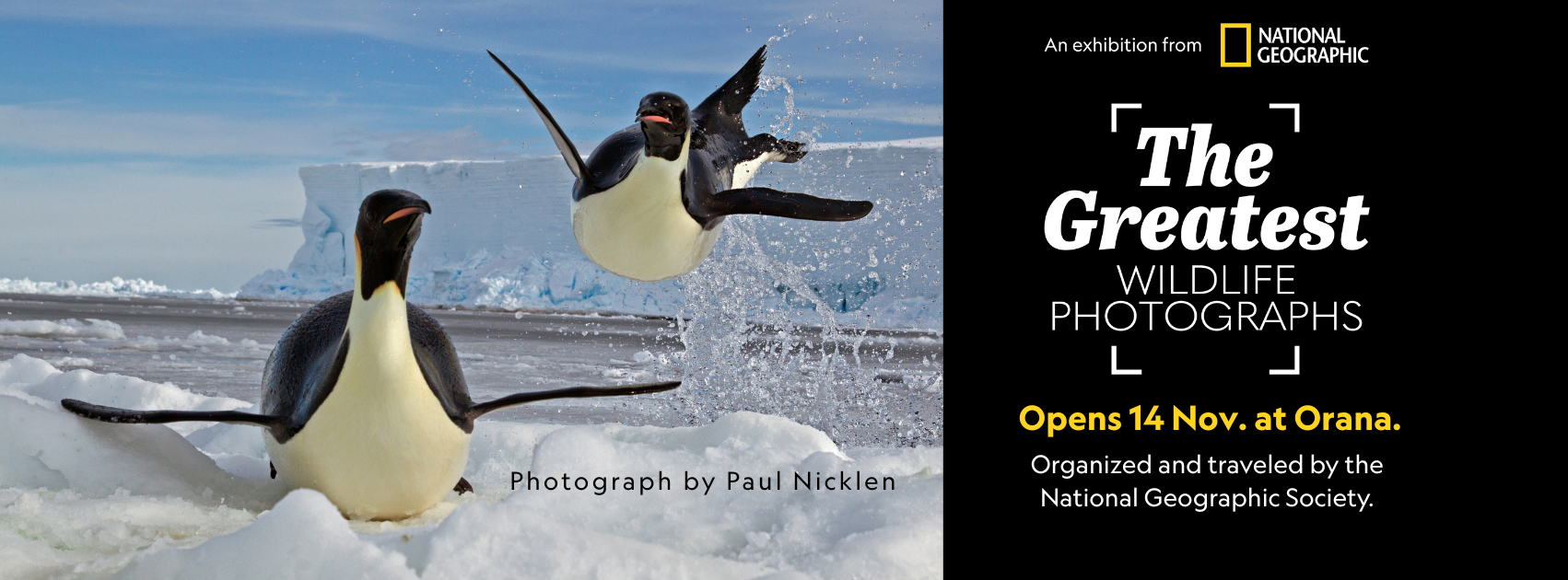
For the first time in New Zealand, National Geographic’s The Greatest Wildlife Photographs exhibition is on display, and Orana Wildlife Park is the proud host of this extraordinary showcase!
Park visitors will witness some of the very best wildlife pictures from the pages of National Geographic magazine alongside the real-life animals that are the inspiration. The exhibition showcases over 70 awe-inspiring moments from the animal kingdom.
Orana’s Chief Executive, Rachel Haydon is thrilled to help bring the event to Christchurch: “We are so excited to host the New Zealand premier of this incredible exhibition. I have been blown away by the amazing photographs, and stories behind each of them. This powerful exhibition features nature’s most breathtaking images and is a bold celebration of wildlife provoking drama and showcasing the raw beauty, and untamed spirit of life on Earth.
Curated by renowned nature picture editor, Kathy Moran, this exhibition is a celebratory look at wildlife with images taken by National Geographic’s most iconic photographers such as Michael “Nick” Nichols, Steve Winter, Paul Nicklen, Beverly Joubert, David Doubilet and more. Showcasing the evolution of photography, the images convey how innovations such as camera traps, remote imaging, and underwater technology have granted photographers access to wildlife in their natural habitat.
For 115 years, National Geographic has pioneered and championed the art of wildlife photography, and captivated generations of engaged audiences with a steady stream of extraordinary images of animals in nature. From the very first such image to appear – a reindeer in 1903 – National Geographic Society's publications have broken new ground and push the bar higher again and again, establishing an unmatched legacy of artistic, scientific, and technical achievement. These are the Greatest Wildlife Photographs.
“We can’t wait for visitors to see this extraordinary exhibition and be taken on an incredible photographic journey! This is a rare opportunity where wildlife and the arts come together side by side in a truly unique experience,” concludes Rachel.
The Greatest Wildlife Photographs is organized and traveled by the National Geographic Society. It is on show at Orana Wildlife Park until 30 April 2026. The exhibition is included as part of normal Park admission costs.
18 September 2025
LEMUR ENCOUNTERS ARE BACK!
Meet Orana’s fluffiest and most charismatic residents, the black and white ruffed lemurs. During this experience, you’ll venture on to the lemur island to come face-to-face with these striking primates and even help feed them their morning snack!
Guided by our expert keepers, you’ll discover fascinating insights into their behaviour, learn about their conservation status, and what makes these endangered animals so extraordinary.
With only 4 people per session, this encounter offers a rare chance to connect with lemurs in a natural island setting, a truly unforgettable moment for animal lovers of all ages.
Learn more about our Lemur Close Encounter here.
7 August 2025
Orana Wildlife Park Maintains Animal Welfare Accreditation
Orana Wildlife Park is pleased to confirm it has successfully met all requirements set by the Zoo and Aquarium Association (ZAA), following a scheduled six-month review. As a result, the temporary pause on incoming animal transfers has been lifted, enabling the Park to resume animal acquisitions and breeding programme recommendations.
This important milestone marks the culmination of a significant period of operational improvement, triggered by an independent ZAA investigation launched in July 2024 in response to media coverage of animal welfare and workplace concerns.
The ZAA’s final report, delivered in December 2024, outlined findings and required actions across several areas including animal welfare processes, organisational systems, health and safety, asset management, and workplace culture.
ZAA has confirmed that all required improvements in relation to systems, policies and processes have been met, and ZAA welcomes Orana Wildlife Park to resume full participation in species programs and incoming animal transfers.
Orana Wildlife Trust Board Co-Chair, Emeritus Professor Ken Hughey, says the outcome reflects the organisation’s commitment to positive and lasting change.
“This is a significant step forward. Our team has worked tirelessly to strengthen governance, systems, and processes. The ZAA review has been a catalyst for transformation, and we’re proud of the progress made,” says Professor Hughey.
“We also acknowledge and appreciate the collaborative and constructive approach taken by ZAA throughout this process. Together, we’ve achieved a result that strengthens outcomes for animals, staff, and our wider community.”
Professor Hughey says public support has been invaluable. “We want to thank the people of Canterbury and beyond for standing by us. Our team are motivated and remain deeply committed to delivering the highest standards of care to our animals, and as we look toward Orana Wildlife Park’s 50th anniversary in 2026, we’re focused on the future with confidence and purpose.”
“We’re implementing a five-year vision called Future Focused, aimed at strengthening animal welfare practices, enhancing our organisational culture, and ensuring long-term sustainability,” says Professor Hughey. “This includes the establishment of a new Animal Welfare Advisory Group to provide independent guidance and ensure ongoing best practice in animal care.
“Our mission is clear – to cultivate meaningful connections between people and wildlife through transformative, real-world experiences that provoke curiosity, foster compassion and motivate conservation action. Future Focused will help us lead with integrity, sustainability, and care at the heart of everything we do,” says Professor Hughey.
Media
1 News | Orana Wildlife Park maintains animal welfare accreditation
Otago Daily Times | Wildlife Park to resume taking in animals
The Press | Rome wasn’t built in a day’: Orana Wildlife Park ready for future
Otago Daily Times | 'Turned the corner': Orana Park working to restore reputation
14 July 2025
Orana farewells Talei, the Tasmanian devil
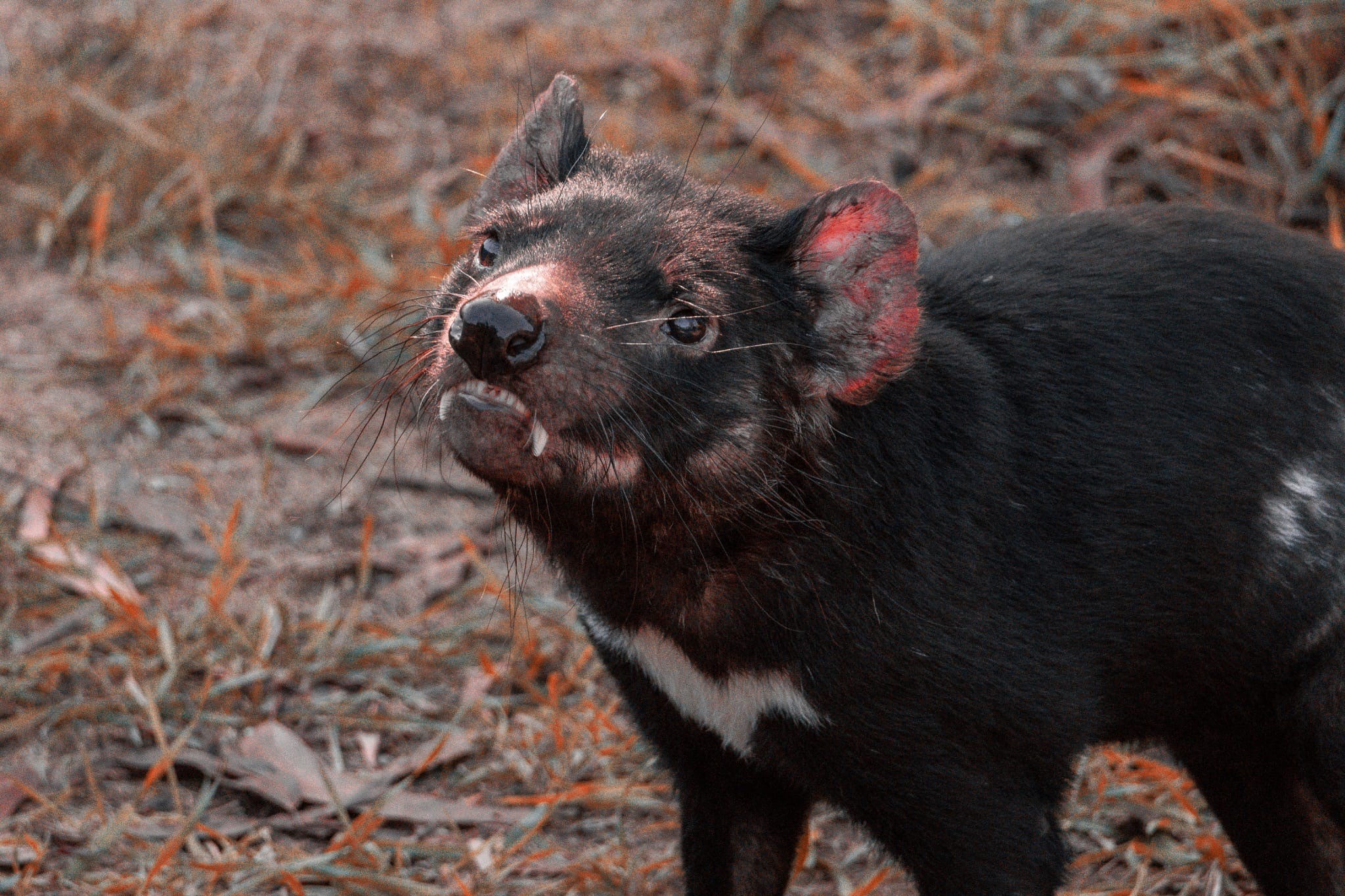
It is with much sadness that we share the news of the sudden passing of our beloved Tasmanian devil, Talei, at the age of 7.
Recently, our dedicated animal care team noticed that Talei wasn't quite himself and immediately alerted our veterinary team. Despite receiving prompt medical attention, his condition deteriorated rapidly, and he sadly passed away.
Talei has been a cherished member of the Orana whānau since he arrived as a juvenile in 2019. He captured hearts around the world in 2021 when he became the first Tasmanian devil to receive a hip replacement, a groundbreaking procedure that gave him a new lease on life.
Tasmanian devils typically live up to 5 years in the wild and around 7 years in human care. Talei’s long life is a testament to the dedication of our team and the veterinary professionals who made his hip replacement possible.
Our team is heartbroken by his passing. We are so grateful for your aroha, compassion and respect as we remember Talei.
Tasmanian devils are endangered, primarily due to a rare contagious cancer known as Devil Facial Tumour Disease (DFTD). Another major threat to this species is vehicle strikes., and road users in Tasmania are encouraged to slow down, especially at night, as Tasmanian devils often feed on roadkill which puts them at great risk.
Learn more on Talei's ground breaking surgery below:
9 April 2025
Double the Stripes, Double the Cuteness! Two Zebra Foals at Orana
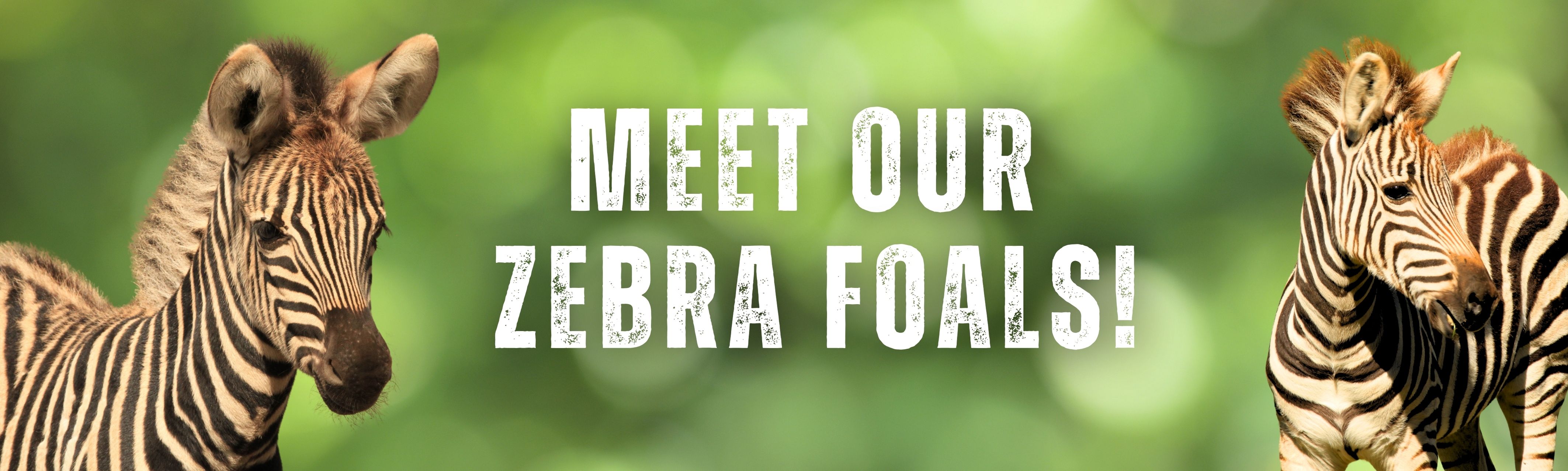
For the first time in over 30 years, staff at Orana Wildlife Park are thrilled to announce the arrival of two adorable zebra foals!
Visitors now have the rare chance to meet these striking additions and watch them explore their new world.
Exotic Species Manager, Craig Gilchrist, says the team is thrilled: “We’re really excited about the adorable foals and we can’t wait for visitors to meet our new kids on the block! Herbie is nearly four months old; he’s cheeky, full of personality, and growing fast. The younger foal is just six weeks old, a little shy, and still waiting for a name as we are yet to confirm its sex”.
Behind the scenes, our dedicated animal care team have been working closely to support new mums Asale (15) and Eve (6) as they took the time to bond with their babies. Even staunch dad Malawi (13) needed a bit of a time-out while the mums settled in! Malawi got a little boisterous after the foals’ arrival, so we needed to separate him from the mums and bubs for some peace and quiet,” Craig explains. “Now the whole herd is back together and it’s time for our visitors to share in the magic.”
The zebra herd now has access to their main habitat, so visitors can enjoy watching the foals prancing about! (They’ll still have the option to retreat to their night quarters when they need a rest).
“We’re inviting the public to bring their kids to meet ours. Don’t miss your chance to witness these stunning youngsters these holidays!” concludes Craig.
The Press: Double the stripes, double the cuteness: Baby zebras born at Orana Park
Chris Lynch: Two zebra foals born at Orana Wildlife Park for first time in over 30 years
Otago Daily Times: Zebra foals arrive at Orana Wildlife Park
28 February 2025
Orana Wildlife Park Welcomes New CEO to Lead Exciting Transformation

Orana Wildlife Park is set to embark on an exciting new era of growth and innovation with the appointment of respected zoo and aquarium professional, Rachel Haydon, as its new Chief Executive.
Rachel, who brings more than two decades of experience in conservation, education, and leadership, will take the reins in two months’ time—becoming only the third leader in the Park’s 48-year history.
Rachel joins Orana from the National Aquarium of New Zealand in Napier, where she has served as Director for more than five years. Her impressive global career spans roles with the Zoological Society of London, London’s Natural History Museum, and other leading institutions, making her a standout choice to lead Orana’s transformation.
Orana Wildlife Trust Board Co-Chair, Professor Ken Hughey, says the position attracted significant interest both nationally and internationally, underscoring the Park’s strong reputation.
“Rachel stood out for her exceptional leadership in team culture development, community engagement, and her forward-thinking approach to conservation and innovation. She is the perfect person to guide Orana through this phase of transformational change,” says Professor Hughey.
Professor Hughey says that Orana Wildlife Park is embarking on a journey of improvement that will take some time.
“The first steps in implementing these actions have started, and good progress has already been made setting the stage for an exciting future.
“Rachel’s industry expertise and global connections—particularly as Chair of the Zoo and Aquarium Association Australasia (ZAA) Conservation Engagement Committee, and Oceania representative for the International Zoo Educators’ Association—will be instrumental in shaping this new direction,” says Professor Hughey.
Rachel is eager to step into the role and is excited about the opportunities ahead.
“I am absolutely thrilled to join the Orana team and help shape the Park’s future.
“Orana has a strong foundation in conservation, particularly with native fauna, and I look forward to building upon this legacy. I am also keen to strengthen the Park’s relationships with our supporters and sponsors, and I would like to establish a meaningful partnership with local iwi.
“My family and I can’t wait to immerse ourselves in the Christchurch community and embrace everything the South Island has to offer,” she says.
Ken Hughey also took the opportunity to acknowledge the ongoing support of Orana’s stakeholders and the many visitors who support Orana.
“Our journey wouldn’t be possible without the incredible backing of our supporters. With Rachel at the helm, the future of Orana Wildlife Park is looking brighter than ever. Watch this space—exciting times are ahead!”
4 August 2023
“Bonjour“ to suka, Orana‘s new male siamang
Orana Wildlife Park is excited to announce the arrival of Suka, a 9-year-old siamang gibbon, from Pairi Daiza Zoo in Belgium. Suka has completed quarantine and being introduced to the Park’s 10-year-old female, Basuki who is very excited with her Belgian beau!
Exotic Species Manager Rachael Mason says: “Suka’s transfer is really important for conservation efforts for these incredible apes because he is a new founder animal for the Australasian region, introducing new genetics.” His transfer to Aotearoa was a joint recommendation from species co-ordinators at both the Zoo Aquarium Association Australasia and the European Association of Zoos & Aquaria’s as part of the managed conservation programme for these stunning simians.
Rachael adds that: “Suka, meaning ‘adored’, is a very sweet natured animal, a gentle boy who has been playfully interacting with his keepers, before being introduced to Basuki. Basuki has turned into quite a flirt and made it her mission to woo her new suiter. Both siamangs have a very similar playful nature and since being introduced always spend time together. The zoo team is very hopeful of them producing baby siamangs in the future. Basuki herself was the last siamang born at Orana in 2013.”
As part of the transfer of Suka, our beloved elderly siamang Peggy was transferred to Hamilton Zoo to be a companion for her elderly father Itam and has settled in nicely there. Peggy was the first female siamang to arrive at Orana (in 2005). “Peggy was a very sweet natured animal and produced three youngsters whilst here. Our team miss her but are delighted to welcome Suka”.
Siamangs are known as lesser apes and are arboreal inhabitants of Malaysia and Indonesia. Their distinguishing feature is a large throat sac that they use to make socially important vocalisations or songs. “We have been thrilled to hear Suka and Basuki singing together,” concludes Rachael.
Orana is privileged to be part of the managed regional breeding programme for this endangered species. Siamang gibbon populations are sadly decreasing due to their habitat being destroyed for oil palm plantations, they are also one of the most heavily traded gibbon species for the illegal pet trade.
2 February 2023
Orana staff mourn the loss
of elderly llama, Roldo
Orana Wildlife Park’s veterinary and animal management team made the agonising decision to euthanase our elderly llama, Roldo, yesterday due to age related illness. Sadly, Roldo’s condition deteriorated rapidly over the past few days.
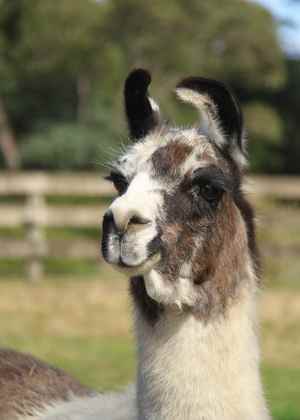
Roldo has been a much-loved member of our animal family, especially in the farmyard, since he arrived more than 23 years ago. He has been an incredible ambassador for the Park due to his fantastic temperament. Thousands of children have patted and brushed him and had the chance to meet him during Zoo School programmes. In his younger years, some of our wonderful volunteers would walk him around the Park daily to meet visitors; he’s said hello to people on our safari shuttle, delighted visitors waiting in the queue to enter the Park and visited staff in the office. Some members of our team recall meeting Roldo when they visited Orana as a child and have been delighted to have the chance to work with him.
Orana’s CEO Lynn Anderson recalls purchasing Roldo at a Rare Breeds Auction in 1999: “He was so well lead trained and friendly that I thought he would be a hit with Park visitors. I actually missed out on him, as the bidding went too high, so I bought another llama that was lead trained, but not as friendly. When the people who bought Roldo discovered he would be for Orana, they agreed to do a swap, as they only wanted him for breeding and they thought the llama I had bought would be just as good for their needs. I was told on the auction day that he was five years old, so he could potentially be one of the oldest llamas in the world (the current record holder is 27 years old and verified by Guinness World Records). I will miss Roldo and he will always hold a special place in my heart”, concludes Lynn.
Roldo will be greatly missed by our team, who considered it a privilege to work with such a beautiful and amazing animal.
10 January 2023
Delightful giraffe calf takes big strides
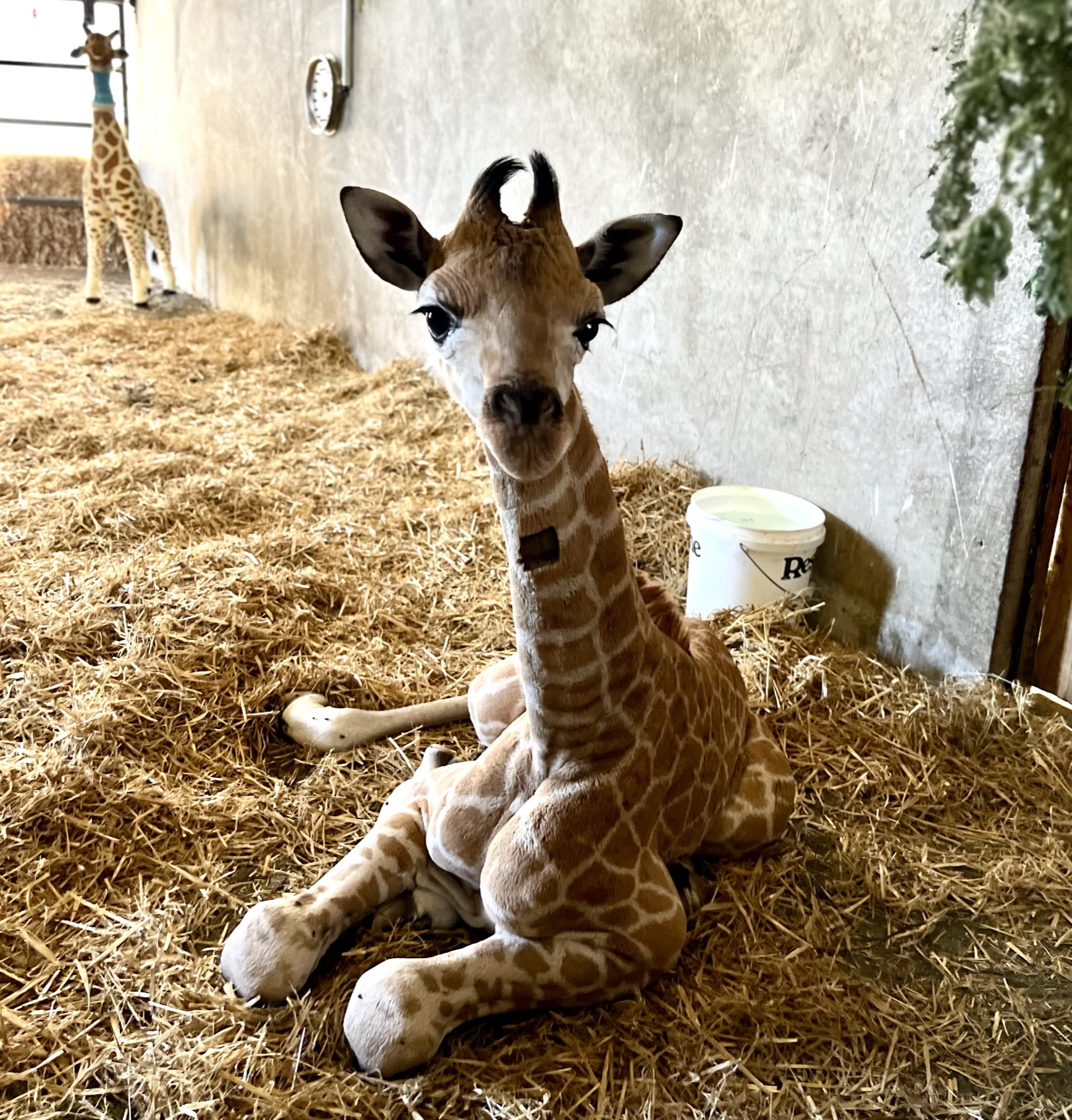
Orana Wildlife Park is excited to announce that a beautiful three-week-old male giraffe calf took his first steps into our giraffe habitat on Tuesday, 10 January. The yet-to-be-named calf is being assist-fed by our dedicated animal keepers.
Orana’s Acting Exotic Species Assistant Manager, Stewart Taylor, explains: “the healthy calf was born just before Christmas to first time mother Kamili. Unfortunately, Kamili would not allow the calf to feed, so in consultation with our vet team we made the decision to transfer the youngster to Rangiora Vet Centre to establish a bottle-feeding regime in their 24-hour care clinic. This also meant he could be closely monitored during the early stages to provide him with the best possible start to life. Our team spent the evenings with him at the clinic to establish a bond as well as assist Rangiora Vet Centre staff with his care.”
“We are thrilled with his progress. He returned to Orana just over a week ago. He is feeding well, guzzling 6 litres per day, and has already grown to be over 6 foot tall so he stands higher than most of our team.”
“The calf is housed alongside the rest of our herd, including Kamili, and he has ventured to the outside yard over the past few days. Tomorrow he will have the opportunity to join the herd in our large display and this is a significant milestone for him and the team. I am sure our visitors will delight in meeting him too”, concludes Stewart.
Orana Wildlife Park is privileged to be part of the managed regional breeding programme for this increasingly threatened species. Giraffe populations continue to decline due to habitat loss and poaching.
Follow us on Facebook for updates on how he is doing.
Stuff | Baby giraffe nicknamed 'Grinch' has first 'zoomies' at Orana Wildlife Park
NZ Herald | Baby giraffe debuts at Christchurch zoo a month after previous calf’s death
1 News | Baby giraffe goes on display at Orana Wildlife Park
Today FM | Orana Wildlife Park describes birth of giraffe calf as 'special'
24 December 2022
12th Annual Festive Themed Fun Day at the Zoo
Orana Wildlife Park is celebrating the magic of Christmas on, Saturday, 24 December. The team and visitors helped wish our incredible animals a Merry Christmas with our annual Christmas Eve Festive Fun Day. Our team of elves wrapped special treats and created festive themed enrichment for our precious animals to unwrap throughout the day.
Orana’s head of Christmas fun, Aimee McQuillan-Reese says; “we love this event. Our team, animals and visitors really enjoy the day and it’s a great chance to share a special time of year with our wonderful animals that we are privileged to hold”.
15 December 2022
Orana staff heartbroken by the loss of young giraffe
Orana Wildlife Park’s veterinary and animal management team made the heartbreaking decision to euthanase Jasiri, our 1-year-old male giraffe yesterday due to an untreatable bone condition.
Jasiri was born at Orana in October 2021 and suffered a leg fracture soon after birth. A full treatment plan was implemented, including an extensive surgical procedure. He was then closely monitored by Orana’s dedicated animal care team who assist-fed him for his first six-months, which created a strong bond with all of his dedicated keepers.
Jasiri progressed nicely and became a healthy and active giraffe calf. He made a huge impression on staff and visitors who have enjoyed his cheeky, playful behaviour. It was a delight to watch him toss branches around his habitat and play with his favourite stick.
Sadly, the condition of Jasiri’s leg started to decline recently. X-rays were taken and our vet further consulted worldwide with specialist veterinary surgeons. Unfortunately, the diagnosis was that Jasiri had developed a condition called “avascular necrosis”, where the blood supply to the bone is restricted. With no treatment available for this condition and having explored all options, our vet team recommended that the kindest thing for Jasiri’s welfare was that he be euthanased.
Jasiri will be greatly missed by our team who considered it an absolute privilege to work with such a beautiful and amazing animal.
Stuff | Orana Park grieves loss of young giraffe
NZ Herald | Young giraffe at Christchurch wildlife park dies
Chris Lynch Media Facebook | Orana Wildlife Park giraffe dies after untreatable bone condition
1 News | Young, sick giraffe euthanised at Christchurch wildlife park
Star News | Young giraffe put down at Christchurch wildlife park
More FM Facebook | RIP Jasiri
20 October 2022
Monkeys loving their renovated island
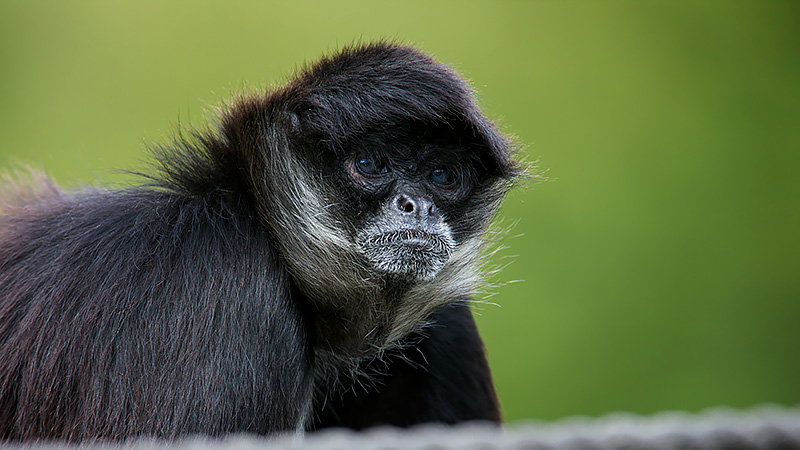
Orana Wildlife Park’s delightful spider monkey troop is enjoying their newly renovated habitat. Belize (33), Merida (32), Maya (30), Juquila (24) and male, Tostada (25), have been off display whilst the large moat around their island was repaired. The animals were transferred back to the island yesterday.
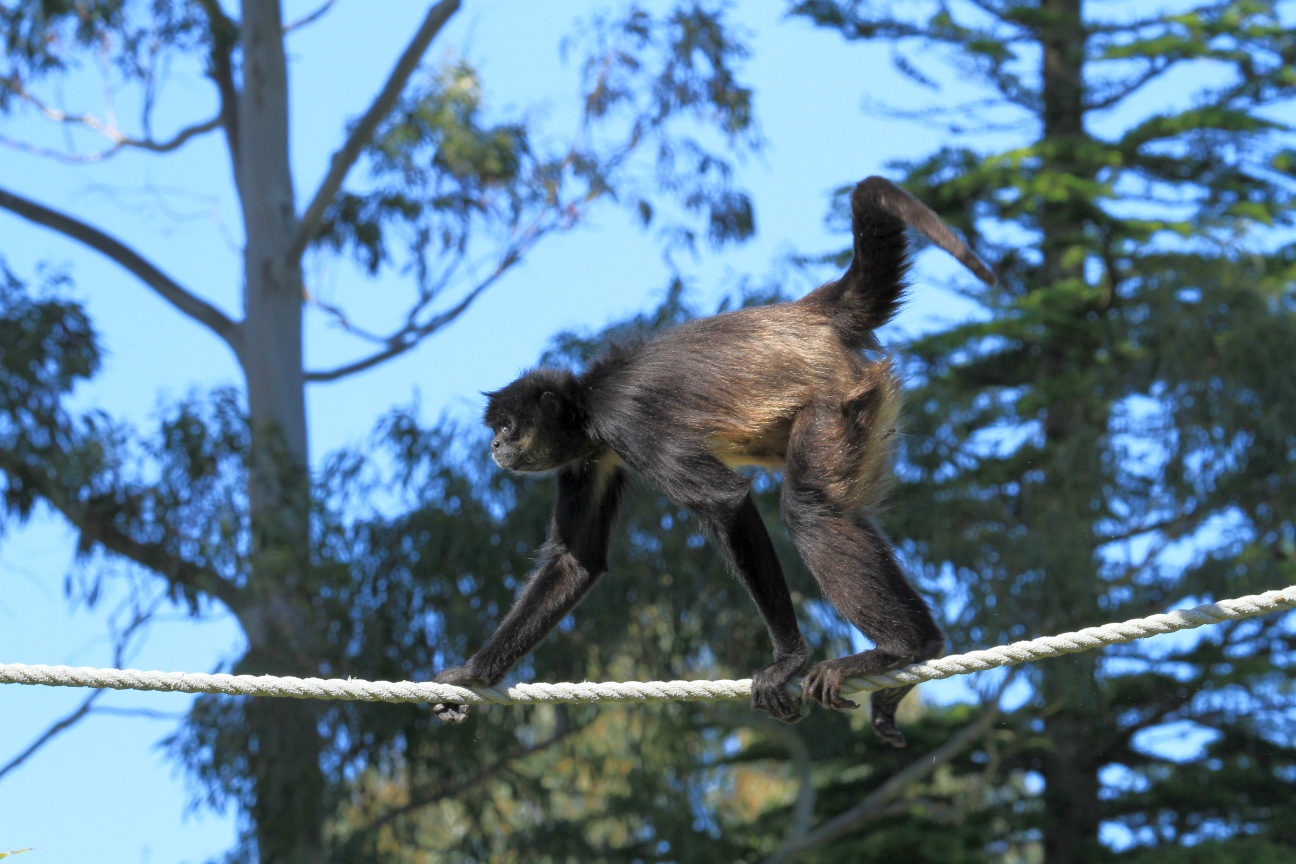
Exotic Species Manager, Rachael Mason says: “the monkeys are loving their renovated exhibit. We have added a range of naturalistic furniture to the island creating more dimensions for the animals. The monkeys have been making lots of vocalisations as they eagerly explore the setting. We are so excited that visitors can once again connect with these precious primates,” adds Rachael.
A key threat to spider monkeys is habitat loss as their rainforest homes in Central America are cleared for agriculture and logging. Orana Wildlife Park has been involved in the managed breeding programme for this endangered species since 1981.
“Moving the animals to the island enhances the chances of the monkeys producing babies, which is key for the breeding programme. The last monkey born at Orana was in 2005 and we are very keen to hear the pitter patter of small monkey feet again,” concludes Rachael.
Stuff | Newly-renovated spider monkey habitat hoped to spice up primates' love life
13 September 2022
We Have Doubled Our Devils!
Orana Wildlife Park is excited to introduce Pendlebury, Chester Campbell, Steele, Fox and John. The three-year old Tasmanian devils were transferred to Christchurch last week as part of the Save the Tasmanian Devil (STDP) Ambassador Programme.
The arrival of the five young males doubles Orana’s devil population to 9 and means Christchurch is home to one the largest holding of devils outside of Australia! Orana has New Zealand’s largest Tasmanian devil habitat.
Exotic Species Manager, Rachael Mason says: “We are thrilled to welcome the five new boys to Orana. Chester Campbell is the feistiest of the new arrivals and Fox doesn’t lag far behind in that regard. Steele and Pendlebury are rather mellow and John is the smallest and is quite calm and quiet but has beautiful long whiskers”.
“It is an absolute privilege for Orana to be involved in the Ambassador Programme and raise awareness on the plight of these magnificent marsupials,” adds Rachael.
Devils@Cradle’s Managing Director, Wade Anthony, accompanied the animals to Christchurch. “Pendlebury and Steele are brothers and Fox is their half-brother and all were born at our sanctuary in 2019. Chester Campbell and John are unrelated and moved to Devils@Cradle from the STDP programme for this transfer. These adult devils are in great condition. They have travelled well and I know they will settle in to a happy and healthy life here at Orana because Christchurch (the South Island) has a very similar climate and vegetation to Tasmania and Orana has a wonderful facility constructed specifically for devils.”
Tasmanian devils are the world’s largest surviving carnivorous marsupials. These nocturnal animals live for approximately 5-7 years in captivity. Sadly, devils are classified as endangered mainly due to a rare contagious cancer called Devil Facial Tumour Disease (DFTD). The fatal disease has led to a population decline of over 60% of wild devils and up to 90% in some regions of Tasmania. The main aim of the STDP is to ensure the survival of the species.
Orana Wildlife Park is proud to fulfil an important role as part of the Ambassador Programme to raise awareness of the issues facing devils and enthuse people about these amazing animals. Sadly, like some of New Zealand’s native wildlife, hundreds of devils are killed on Tasmania’s roads every year. Roadkill is a major threat to devils in diseased areas.
“Orana supports the Programme by generating funds for devils in the wild. We have contributed towards radio collars to monitor wild devils and for the installation of innovative devices that help prevent devils becoming roadkill. We engage with our visitors, encouraging them to drive carefully and slowly at night which can help to avoid wildlife becoming roadkill,” concludes Rachael.
Visitors will have the chance to meet the delightful new devils this week.
In the news:
Christchurch City Council | Newsline : Devils make new home at Orana Wildlife Park
11 July 2022
Otters Make A Splash
Our five boisterous otters (five males) made a splash in their newly upgraded pool this week. A new water filtration system has been installed after their large swimming pools pump failed resulting in poor water quality. Our otters love the water so we are pleased the new filtration system has been installed and that our otters can swim again.
As a registered charity, Orana generates over 80% of its income through visitation. Staff separately raise 100% of funds for all developments, such as these crucial exhibit repairs.
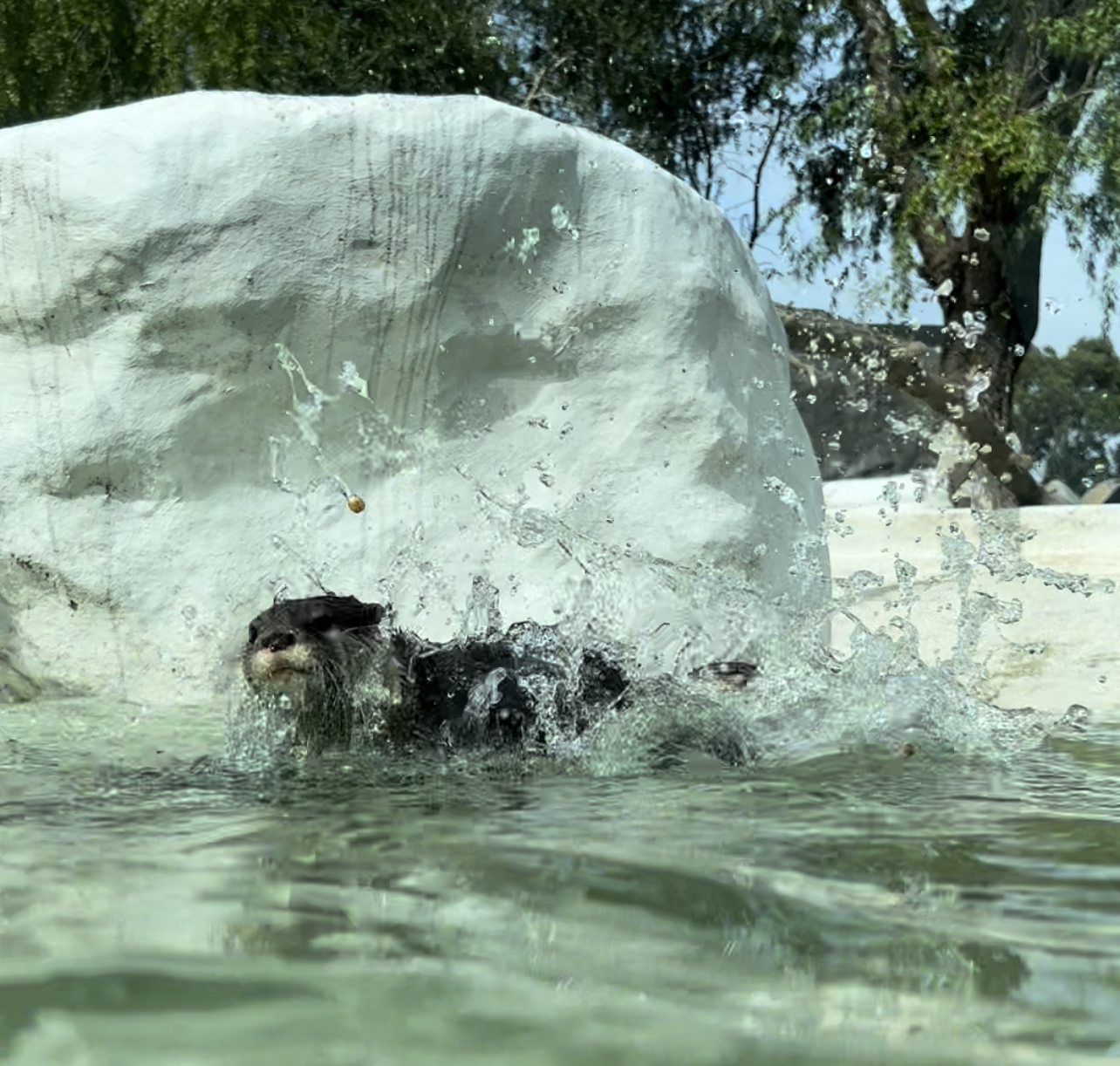
A huge thank you to Kiwi Gaming Foundation for their generous grant towards our otter filtration system.

11 July 2022
Spider Monkeys Set To Return
Thanks to our generous funders Kiwi Gaming Foundation, Mainland Foundation and Christchurch Casinos Charitable Community Trust we are excited work is now underway on our spider monkey moat.
Orana is home to five delightful spider monkeys (one male and four females). They have been housed off-display due to the moat around their island failing and no longer holding water (the butynol liner perished).
Shotcrete is being used to repair the moat. Shotcrete is a high strength concrete which is being sprayed on to line the moat. This is a permanent repair method and is provisioned to withstand earthquakes.
As a registered charity, Orana generates over 80% of its income through visitation. Staff separately raise 100% of funds for all developments, such as these crucial exhibit repairs.
We truly appreciate the support we have received from Kiwi Gaming Foundation, Mainland Foundation and Christchurch Casinos Charitable Community Trust to complete these repairs.


Orana staff mourn the loss of elderly rhino
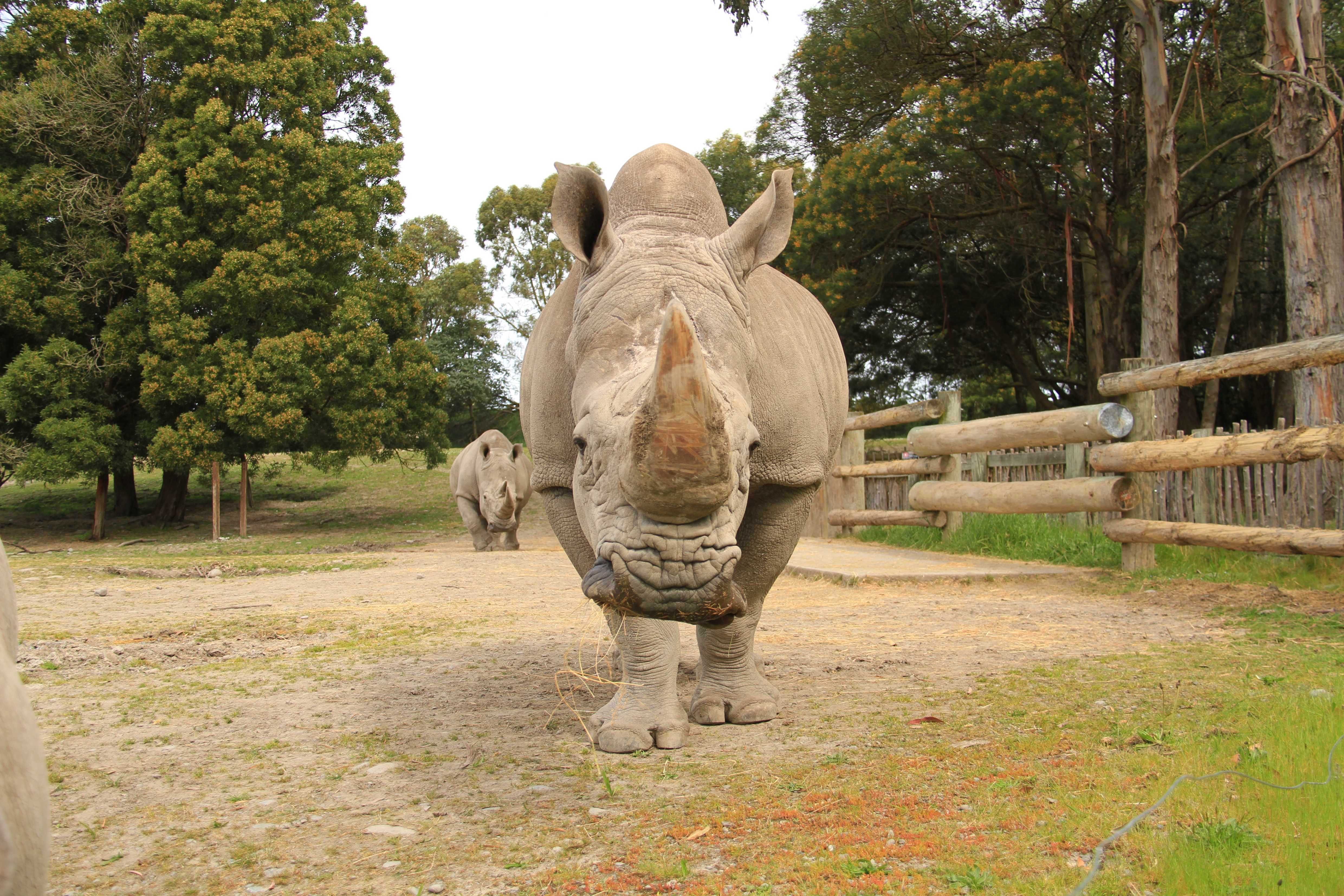
This morning, Orana Wildlife Park’s veterinary and animal management team made the agonising decision to euthanaise Stumpy, a 40-year-old Southern White Rhinoceros, due to age related health issues.
Stumpy was transferred to Orana from Taronga Western Plains Zoo (NSW) in 1988 when he was five years old. He has been an iconic presence at Orana ever since and been at the Park longer than any staff member.
Park staff remember Stumpy as a real character and he was affectionately known as our marshmallow, being soft and sweet in nature. He loved to play with sticks and carried them around on his horn. He always enjoyed a good scratch and belly rub from his dedicated keepers. We know that thousands of our visitors enjoyed meeting Stumpy up close at the daily rhino presentation.
Stumpy was a fantastic ambassador for his wild cousins helping raise awareness on the plight of rhinos. In Africa, rhino poaching is out of control and the animals are illegally killed for their horn. Orana is a key player in a global effort to help save rhinos from extinction and this will result in more rhinos being transferred to Christchurch in the next year.
Stumpy will be sorely missed by our team who considered it an absolute privilege to work with such a beautiful and amazing animal.
Stuff.co.nz | 16 June 2022 | Zoo Staff Mourn Loss Of Stumpy The Elderly Rhino
GIRAFFE CALF ON DISPLAY
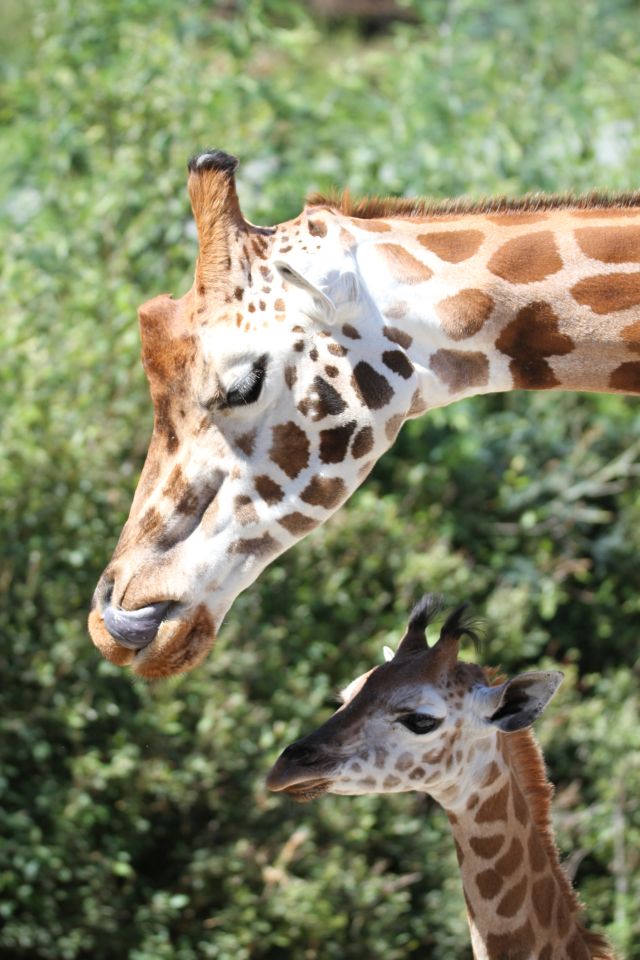
Our beautiful giraffe calf Jasiri who was born at Orana in October 2021 to mum Shira is now on permanent display after recovering from a leg fracture.
He has been busy exploring his outdoor enclosure with his mum and aunts.
Festive themed fun day at the zoo
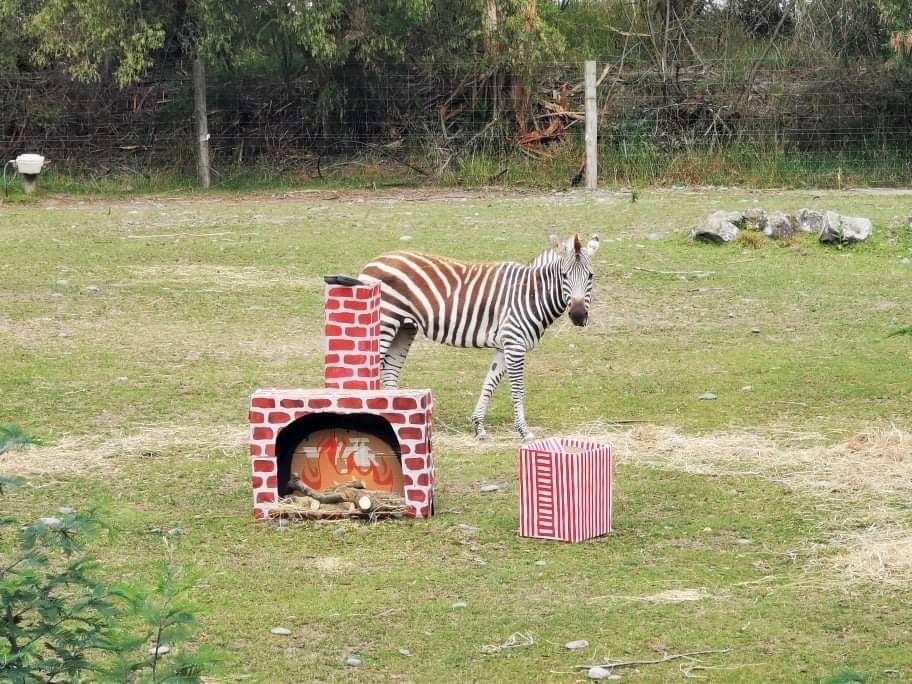
Orana Wildlife Park’s busy elves are preparing a cracker day to celebrate the festive season on Friday 24 December. The zoo’s good animals will each receive their Christmas present one day early to enable visitors to be part of the fun. This is the Park’s 11th annual staging of this popular event.
Head Elf, Maddy Hodge, says: “our team are very excited to share this special day with visitors and spread the Christmas spirt. We love this event, it has become a really popular day for staff, animals and visitors and is an especially exciting way to pass away the hours ahead of the big day!”
“We’ve spent weeks gift wrapping some amazing treats for the animals and cannot wait to see the variety of unwrapping techniques utilised! Monitors will munch tasty morsels, kea will artfully destroy their presents and lions will roar into their gifts. There will also be some special appearances including an appropriately placed sleigh and chimney. It will be an exciting day for all”.
“We wish everyone a very Merry Christmas”, concludes Maddy. Orana is closed on Christmas Day and is open every day from Boxing Day.
Orana Park treats the animals to Christmas gifts they can eat | Stuff.co.nz